Economic
The organizations that define the standards will shape market structure and value distribution for decades.
Stanford × Consumer Reports
We’re defining the standards for agent behavior so that every decision your agent makes is optimized for your benefit, security, and privacy.
Definition
A loyal agent is an AI agent that acts in the best interests of the person it serves.
It puts your interests and stated preferences first.
It tells you when it has a conflict of interest.
It uses your information only within the limits you set.
Its behavior can be tested and audited.
Loyal Agents is the initiative working to make this the norm. It is a research collaboration between the Stanford Digital Economy Lab and Consumer Reports that develops the legal frameworks, open standards and evaluation tools for AI agents that are loyal by design.
The stakes
The digital economy is moving beyond assistive chat to delegated action, where AI agents negotiate, transact, and manage intimate details of our lives.
The organizations that define the standards will shape market structure and value distribution for decades.
Agents loyal to platforms rather than people risk entrenching power asymmetries and undermining autonomy.
Transparent, auditable agents must prove they serve you, and disclose any incentives that could pull them away from your interests.
The trust gap
With standards
Transparent, auditable systems that prove their loyalty to the people they serve.
Without standards
Your shopping assistant negotiates prices that benefit affiliates while claiming to work for you.
How the standard develops
We’re a research and standards initiative. Our work moves through stages of increasing scrutiny and adoption.
Build and test specifications against real implementations with partners who surface problems a document alone cannot reveal.
Use lessons from early implementations to shape the next version for a larger, hand-picked group of reviewers.
Circulate specifications publicly after testing and review by multiple independent implementers.
Bring mature work into an established body such as IEEE or W3C for broader consensus and stewardship.
Take part
Loyal Agents works with funders, researchers, policy leaders and early adopters. Find the path that fits you.
Shape the future of the digital economy with early visibility into the standards that will guide how AI agents act for people.
Explore funding partnershipsDrive state-of-the-art inquiry and help define foundational protocols major platforms can use.
Explore research opportunitiesBridge fiduciary principles and high-performance systems, shaping the rules for AI agents that act on people’s behalf.
Get involved in policy and standardsPut our standards and research to work early, starting with the Human Context Protocol, and collaborate on memory and AI safety research.
Become an early adopterMomentum & impact


Latest
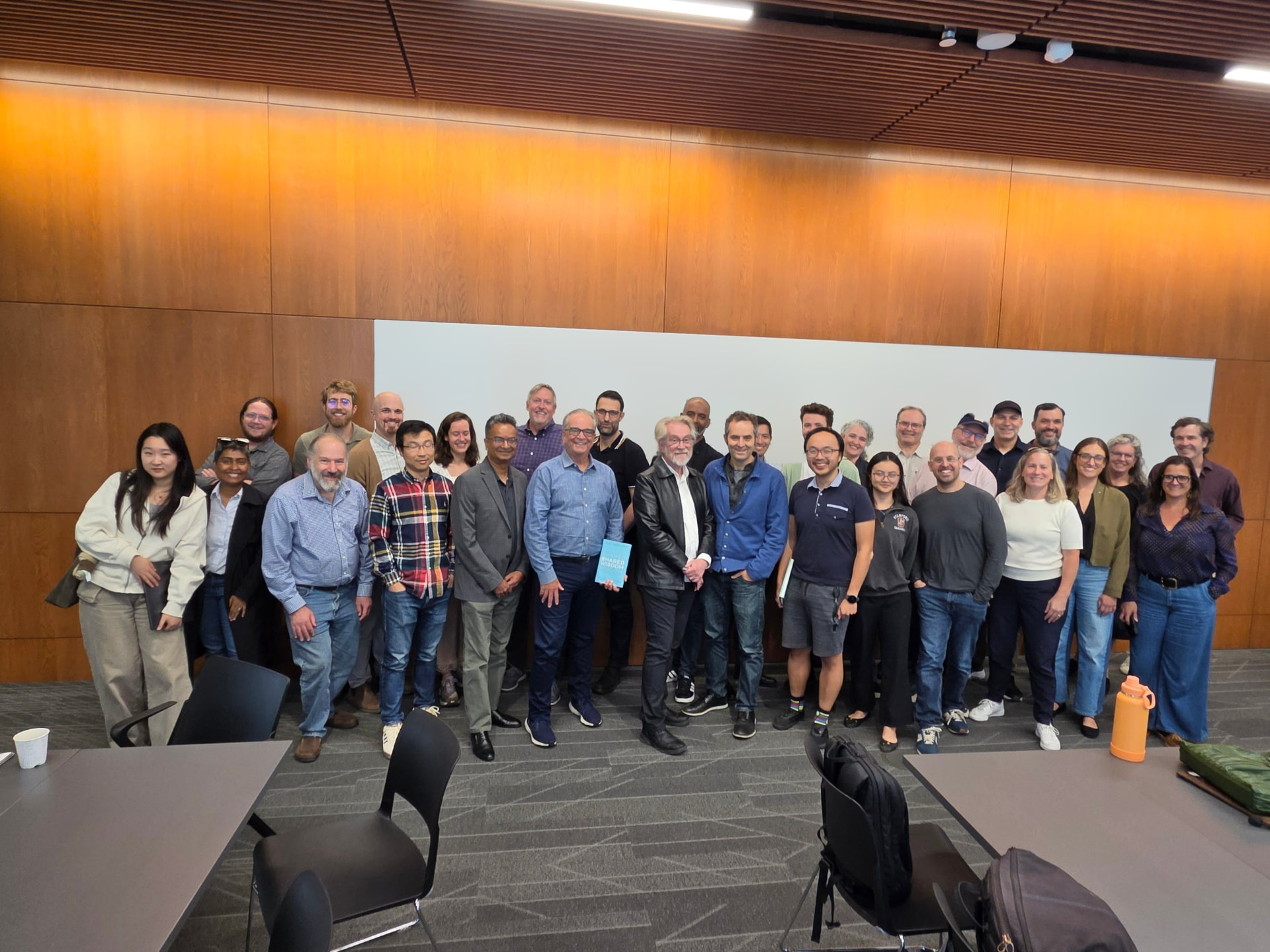
October 2026
Loyal Agents and the Gates Foundation convened researchers, builders and policymakers at Stanford University to work on how a person's agent memory can move with them across services.
Read more in Insights & Updates →